
OSHA Portable Toilet Requirements for Construction Sites
Construction job sites must provide safe and sanitary restroom facilities for workers. The OSHA portable toilet requirements ensure employees have access to clean, accessible restrooms throughout the workday. These rules apply to construction projects across the United States, including job sites throughout Arizona.
If your company manages a construction site, it’s important to understand how many portable toilets are required, where they should be located, and how they must be maintained. Failing to meet OSHA bathroom requirements can result in safety violations, worker complaints, and costly delays.
This guide explains the key OSHA sanitation standards for construction sites, including how many porta-potties per person OSHA requires, placement guidelines, and maintenance requirements.
OSHA Portable Toilet Requirements (29 CFR 1926.51)
Portable toilets on construction sites fall under OSHA sanitation standard 29 CFR 1926.51, which requires employers to provide adequate toilet facilities for workers on the job.
These rules apply to temporary job sites where permanent plumbing may not be available. Employers must provide sanitary facilities that are accessible, functional, and regularly maintained.
Under OSHA regulations, acceptable construction site toilet facilities include:
- Chemical toilets (porta-potties)
- Recirculating toilets
- Combustion toilets
- Privies where allowed by local codes
Portable toilets are the most common solution because they are easy to deploy, service, and relocate as projects progress.
Quick Chart for Construction Site Portable Bathrooms
| Workers On Site | Minimum Portable Toilets |
|---|---|
| 1-20 | 1 Toilet |
| 21-80 | 1 Toilet + 1 Urinal |
| 81-120 | 2 Toilets + 2 Urinals |
| 121-200 | 3 Toilets + 3 Urinals |
| 200+ | 1 Toilet + 1 Urinal Per 50 Workers |
These numbers represent the minimum requirement for compliance. Many construction managers choose to add additional units to reduce wait times and improve productivity.
Providing enough units helps prevent long lines and keeps workers on schedule.
How Many Porta Potties Per Person Does OSHA Require?
One of the most common questions contractors ask is: “How many porta potties per person does OSHA require?”
OSHA provides a minimum ratio based on the number of workers on a job site.
OSHA Top 4 Must-Haves for Job Site
1. Toilets Must Be Accessible
Portable restrooms must be readily available to workers at all times. OSHA guidance recommends:
- Restrooms should be located close to active work areas
- Ideally, a restroom should be within a 10-minute walk from any work zone
- Units should be available during all work shifts
- Access paths should be safe, clear, and unobstructed
2. Toilets Must Provide Privacy
All toilet facilities must be enclosed and designed to provide privacy. This means:
- Fully enclosed units
- Doors that close and latch
- Separate compartments for multi-stall facilities
Single-occupancy portable toilets usually meet OSHA privacy standards automatically.
3. Toilets Must Be Clean & Serviced
Portable toilets must be maintained in a clean, sanitary, and usable condition.
Maintenance typically includes:
- Regular pumping and waste removal
- Restocking toilet paper
- Sanitizing the unit
- Odor control
If a portable toilet becomes unsanitary or unusable, OSHA may consider it unavailable for worker use.
2. Toilets Must Provide Privacy
Construction sanitation standards also require handwashing facilities near restrooms.
These stations should include:
- Clean water
- Soap
- A method for drying hands (paper towels or air dryers)
If running water is unavailable, alcohol-based hand sanitizer may be used in some situations.
OSHA Bathroom Break Requirements
OSHA also protects workers’ rights to reasonable bathroom access.
Employers cannot restrict employees from using the restroom when needed. Workers must be allowed to leave their work area to use available facilities without unreasonable delay.
Providing adequate restroom facilities helps prevent:
- Health issues caused by delaying bathroom use
- Reduced worker productivity
- Workplace sanitation violations
For construction sites, this typically means ensuring portable toilets are located conveniently throughout the project area.
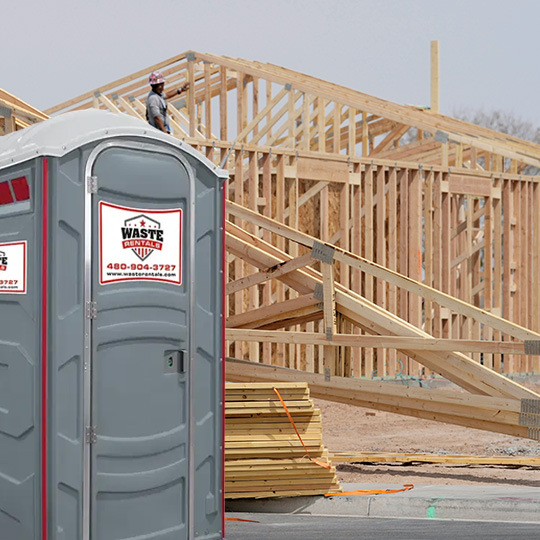
Construction Site Portable Toilet Requirements (Best Practices)
While OSHA defines minimum requirements, many job sites follow additional best practices to improve sanitation and worker comfort.
Recommended guidelines include:
- Adding extra units for large or multi-shift crews
- Increasing service frequency in hot climates like Arizona
- Providing ADA-accessible portable restrooms
- Placing units near main work zones
- Including handwash stations for better hygiene
These improvements help maintain a safe, productive work environment.
Portable Toilet Requirements for Arizona Construction Sites
OSHA sanitation standards apply nationwide, including construction sites throughout Arizona. Contractors working in cities such as Phoenix, Scottsdale, Mesa, and surrounding areas must follow the same federal sanitation rules.
Because Arizona job sites often experience extreme heat and large crews, many contractors choose to exceed OSHA minimums to improve worker comfort and reduce downtime.
Portable toilets that are properly placed and serviced help ensure compliance while keeping projects running smoothly.
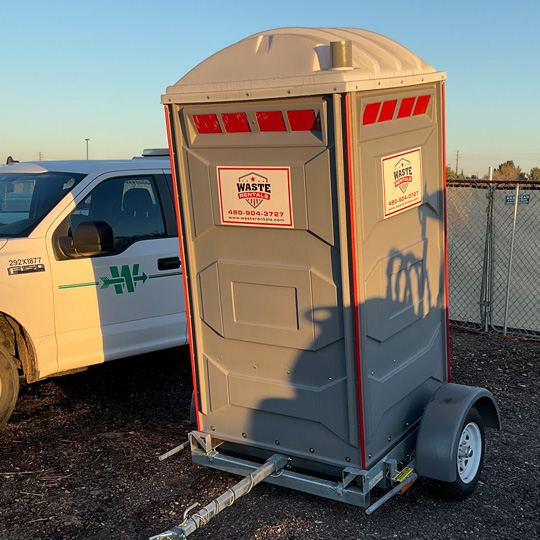
Construction Site Sanitation Checklist
Maintaining proper sanitation on construction sites goes beyond simply placing a few portable toilets on location. OSHA standards require employers to provide a clean, safe environment that protects worker health and prevents sanitation violations.
Use this construction site sanitation checklist to ensure your job site meets OSHA requirements.
Construction Site Sanitation Requirements
- Provide the correct number of portable toilets based on crew size
- Place restrooms within a reasonable distance of work areas
- Ensure toilets are fully enclosed and provide privacy
- Keep units clean and regularly serviced
- Stock every unit with toilet paper
- Provide handwashing stations with soap and water
- Keep restroom areas well lit and accessible
- Maintain clear pathways to sanitation facilities
- Increase cleaning frequency when crew size increases
Following these guidelines helps keep workers healthy while reducing the risk of OSHA sanitation violations.
For large construction projects, many contractors schedule weekly or twice-weekly servicing to ensure portable toilets remain sanitary and fully stocked.
Need OSHA-Compliant Portable Toilets?
At Waste Rentals, we provide construction-grade portable toilets and sanitation solutions throughout Arizona. Our team helps contractors ensure they meet OSHA portable toilet requirements while keeping their crews safe and productive.
We offer:
- Standard construction porta potties
- ADA-compliant portable restrooms
- Handwashing stations
- Regular service and maintenance
- Flexible rental options for job sites of any size
If you’re planning a construction project and need help determining how many portable toilets are required, our team can help you choose the right setup.
Contact Waste Rentals today to schedule portable toilet delivery for your job site.
frequently Asked Questions
OSHA portable toilet requirements fall under the sanitation standard 29 CFR 1926.51. Construction sites must provide accessible, sanitary restroom facilities for workers. This typically includes portable toilets that are regularly serviced, stocked with supplies, and located close to work areas.
OSHA requires at least:
- 1 toilet for 20 workers or fewer
- 1 toilet seat and 1 urinal per 40 workers for crews of 21–200
- 1 toilet seat and 1 urinal per 50 workers for crews over 200
These are minimum requirements, and many construction sites provide additional units to reduce wait times.
OSHA bathroom requirements state that employers must provide sanitary restroom facilities that are accessible, private, and maintained in a clean condition. Portable toilets must also be regularly serviced and stocked with toilet paper.
Yes. OSHA sanitation standards require handwashing facilities near restroom areas. These stations should include water, soap, and a way to dry hands. When water is unavailable, alcohol-based hand sanitizer may be allowed.
No. OSHA states employers cannot place unreasonable restrictions on bathroom use. Workers must be allowed to leave their work area to use restroom facilities when necessary.